Summary
Water is the essence of life and molecularly makes up up to 99% of the human body. The quality of drinking water affects fundamental processes such as cell hydration, nutrient absorption, detoxification and bioelectrical signaling. Although Norway has ample access to water resources, recent research shows that the drinking water often contains eternity chemicals such as PFAS, fluorocarbons, microplastics, pesticides, heavy metals and drug residues. Only professionally purified water through advanced multi-stage filtration systems can be considered to have very high quality and safety. At the same time, the water supply is vulnerable to aging infrastructure, climate change and deliberate attacks such as sabotage or terror. This article provides an in-depth, scientifically based analysis of the role of water in health, sources of contamination in Norwegian drinking water, advanced filtration solutions from Uno Vita, potential benefits of structured and hydrogen-rich water, and the importance of water in emergency situations. Based on sources from the Norwegian Institute of Public Health (FHI), the Food Safety Authority, Norsk Vann, NRK, Dagbladet, TV2, forskning.no, miljodirektoratet.no and Uno Vita, as well as international databases such as PubMed and WHO, we present a holistic assessment of the importance of drinking water for health and social security.

Benefits and effects
Water is an indispensable component of the body's physiology and supports a number of vital functions:
- Fluid balance and electrolyte regulation: Water maintains the cells' volume and ion concentration, which is crucial for muscle and nerve function.
- Transport of nutrients and waste substances: It acts as a medium to carry oxygen, glucose and waste products like urea.
- Bioelectric signaling: Water's conductive properties support nerve impulses and cell communication.
- Temperature regulation: Through sweat and evaporation, water helps to stabilize body temperature.
- Cell protection: Clean water reduces the risk of accumulation of harmful substances that can disrupt cellular processes.
Clean, professionally purified water helps to maintain these processes at a very good way. Contamination such as heavy metals, PFAS or microorganisms can, on the other hand, disrupt the body's homeostasis, lead to oxidative stress or, in the worst case, acute or chronic health problems. For example, heavy metals such as lead can accumulate over time and affect the nervous system, while PFAS are associated with hormone disruption and reduced immune response.
Hydrogen-rich water, which contains molecular hydrogen (H2), has shown promising results in studies to support the body's defense against oxidative stress by neutralizing free radicals. Structured water, which is claimed to have a more organized molecular structure, has been proposed to improve hydration and cell communication, although scientific consensus is still lacking. Both technologies can act as a supplement to a healthy lifestyle, but they are not medical treatments. Advanced water filters, such as those from Uno Vita, provide extra peace of mind by removing unwanted substances and preserving the water's natural minerals, which supports general health and well-being, especially in situations where water quality is uncertain.

Technical specifications and detailed analysis
Norwegian drinking water is subject to strict regulations through the drinking water regulations, which require waterworks to implement at least two hygienic barriers, such as disinfection (e.g. UV irradiation or chlorination) and particle removal (e.g. membrane filtration). Nevertheless, recent research shows that even in Norway the drinking water is not free of contaminants. The Institute of Public Health (FHI) and the Norwegian Environment Agency have documented the presence of several problematic substances in the drinking water, which can have health consequences in case of long-term exposure.

Sources of pollution in Norwegian drinking water
The following substances have been identified as problematic in Norwegian drinking water, based on reports from FHI, the Norwegian Food Safety Authority, Norwegian Water, the Environment Agency and news articles from NRK, Dagbladet and TV2:
- PFAS (per- and polyfluorinated alkyl substances): These the eternity chemicals found in up to 95% of water samples from Norwegian waterworks, according to the Norwegian Institute for Water Research (NIVA). Although the levels are often below EFSA's limit values, blood tests in children show that up to a third exceed the tolerance limits for PFAS. PFAS accumulate in the body and are associated with the risk of cancer, hormonal disturbances and reduced immune response. Sources include industrial emissions, firefighting foam and consumer products. The Norwegian Environment Agency is working on an EU/EEA ban on PFAS, but for now they are still present in water sources.
- Heavy metals: Lead, copper, arsenic, cadmium and uranium can be found in drinking water, particularly in private boreholes or leaks from old pipes. The Geological Survey of Norway (NGU) reports that 12% of boreholes in southern Norway have uranium levels above the WHO limit value of 30 µg/l. Lead can cause neurological damage, especially in children, while arsenic is associated with cancer and cardiovascular disease.
- Microplastics: Forskning.no reported in 2024 on increasing levels of microplastics in drinking water, especially in urban areas. Microplastics can act as carriers for chemicals and microorganisms, and the long-term effects on health are still under investigation.
- Pesticides and drug residues: Residues of pesticides such as glyphosate and drugs such as ibuprofen and antidepressants have been detected in low concentrations in surface water. These substances come from agricultural runoff and waste water, and even if the levels are below the limit values, they can contribute to hormone disruption or antibiotic resistance.
- Microbiological contaminants: Bacteria which E.coli, Campylobacter and parasites that Giardia and Cryptosporidium can occur through faecal contamination from wastewater or agricultural runoff. In 2023, NRK reported on a case in a Norwegian municipality where the drinking water was contaminated by sewage, which led to a boil water warning. Climate change, with increased rainfall and flooding, increases the risk of such events.
- Chemical byproducts: Trihalomethanes and epichlorohydrin can be formed as by-products of chlorination in water treatment. FHI points out that high levels of humus (organic material) in the water can worsen the formation of such substances, which are potentially carcinogenic.
- Nitrate and nitrite: These substances, originating from agricultural runoff, can cause methemoglobinemia in infants at high concentrations. The limit value is 50 mg/l, but the risk is higher in agricultural areas.

Media attention and public concerns
Norwegian media such as Dagbladet, TV2 and NRK have regularly reported on drinking water problems. For example, in 2024, TV2 covered a case about PFAS in drinking water near a former fire drill, while Dagbladet reported on microplastics in the Oslofjord that potentially affect drinking water sources. NRK has also discussed challenges with old wiring networks, which can lead to leaks and pollution. Faktisk.no confirmed in 2023 that although Oslo's drinking water is generally safe, PFAS and other contaminants can occur in low concentrations. These cases emphasize the need for continuous monitoring and improved filtration solutions.
Advanced filtration systems from Uno Vita
Uno Vita offers a range of high quality water filters designed to remove a wide range of contaminants whilst preserving the water's natural minerals. The products are based on international standards such as NSF/ANSI 42 and 53, and include multi-stage filtration to ensure safe drinking water. Below is a detailed overview of some of their most popular products, based on information from unovita.no and unovita.com:
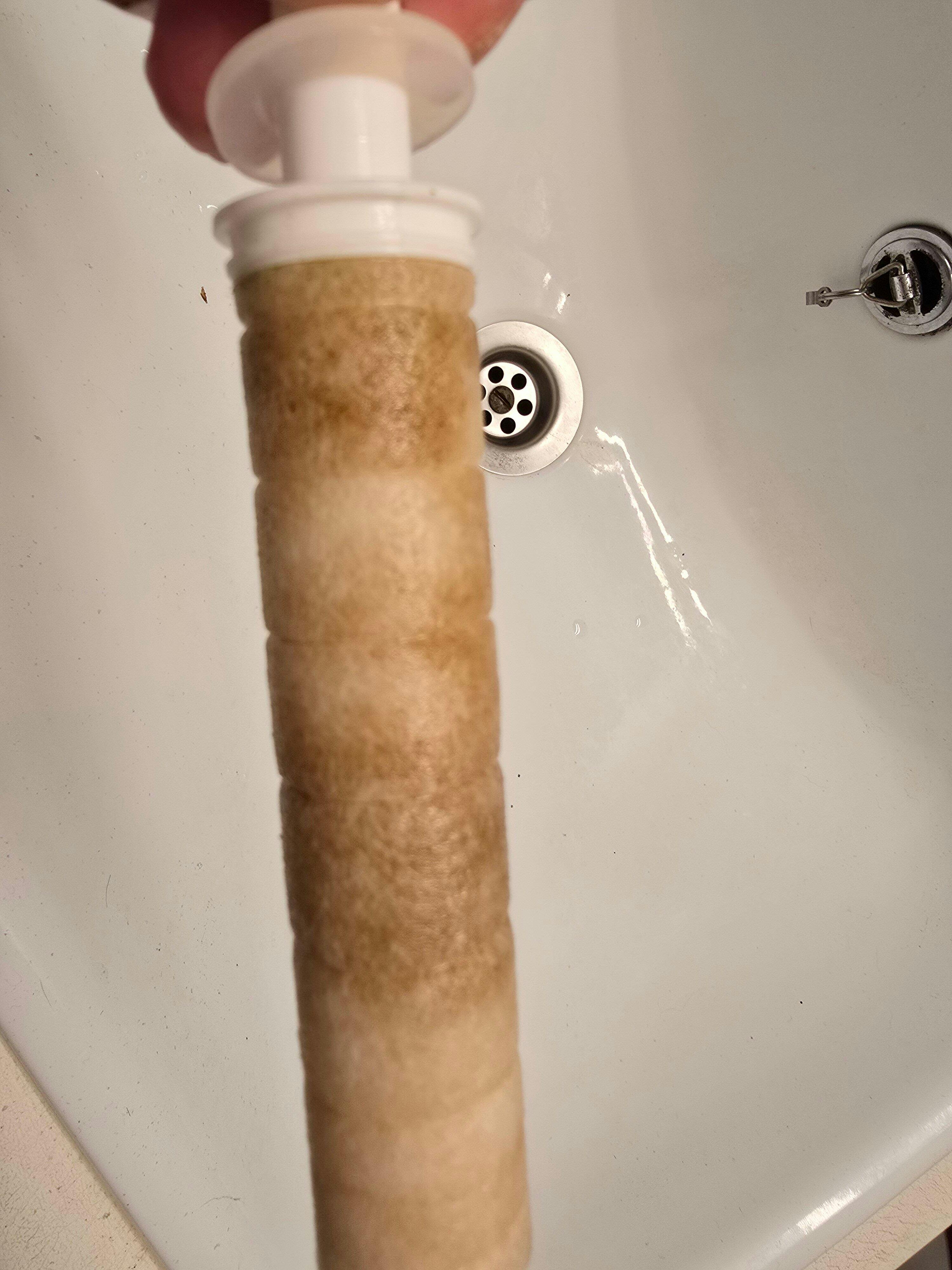
- EdelWasser reverse osmosis system: This system combines activated carbon, ceramic filters and reverse osmosis to remove up to 99.9% of pollutants, including PFAS, heavy metals, microplastics, bacteria and viruses. The reverse osmosis membrane has pores of 0.0001 micron, which makes it effective against even the smallest particles. The system is designed to preserve essential minerals such as calcium and magnesium, and includes a remineralization unit to improve taste and nutritional value. EdelWasser is ideal for households that want a robust, long-term solution for drinking water security.
- ZeroWater pitcher: ZeroWater is a portable filter that reduces total dissolved solids (TDS) to near zero, which includes heavy metals, nitrates and organic compounds. The filter uses a five-stage ion exchange technology and activated carbon, and comes with a TDS meter to monitor water quality. ZeroWater is particularly popular for its ease of use and efficiency in small households or when travelling.
- River of Life Vortex Water Revitalizer: This unique system combines physical filtration with vortex technology, inspired by Viktor Schauberger's principles of the natural movement of water. The filter removes chemicals, heavy metals and microorganisms, while the vortex treatment is claimed to improve the water's structure, oxygenation and taste. The product is designed to reduce biofilm growth in pipes and improve water's bioelectric properties, which can support hydration and well-being.
- Uno Vita hydrogen water generator: This device enriches the water with molecular hydrogen using electrolysis. It includes a built-in filtration system to remove chlorine, heavy metals and organic compounds. Hydrogen water is suggested to have antioxidant effects, and the device is compact and easy to use, making it ideal for everyday use.
- Uno Vita Portable Water Filter: Designed for emergency or travel use, this filter uses activated carbon and ion exchange resin to remove chemicals, heavy metals and microorganisms. It is power-independent and can purify up to 1,000 liters of water before changing the filter, which makes it practical for outdoor activities or emergency situations.
Safety and quality
Uno Vita's products undergo third-party testing to ensure they meet international standards for drinking water safety. For example, reverse osmosis is considered a hygienic barrier by the Norwegian Food Safety Authority, and when combined with UV irradiation or ceramic filters, it provides robust protection against both chemical and microbiological threats. The products are designed to be sustainable, with replaceable cartridges and long life, reducing the need for single-use plastic bottles. Uno Vita also offers TDS meters and water analysis kits to help users monitor water quality over time.
Preparedness and security
The drinking water infrastructure is part of society's critical infrastructure and is vulnerable to both accidental incidents and deliberate attacks. Historical examples from conflict areas in the Middle East and Africa show that water supplies have been the target of poisoning with chemicals, nerve agents or microbiological agents. In Norway, the National Security Authority (NSM) and the Directorate for Community Security and Emergency Preparedness (DSB) have identified the water supply as a potential target for cyber attack, sabotage or terror. For example, an attack on the waterworks' management systems or physical infrastructure could disrupt water treatment for several days, which could have serious consequences for the population.
Private households can strengthen their preparedness by investing in gravity-based or manual water filters that do not require electricity. Such systems should be able to handle:
- Microbiological threats: Bacteria (E.coli, Salmonella), parasites (Giardia, Cryptosporidium) and viruses.
- Chemical threats: PFAS, heavy metals, pesticides and industrial chemicals.
- Physical particles: Microplastics, sediments and humus.
Products such as EdelWasser and ZeroWater are well suited for everyday use, while Uno Vita's portable filter is ideal for emergencies. Third-party certifications such as NSF/ANSI ensure that the filters meet strict requirements for performance and safety.

Hydrogen-rich water
Hydrogen-rich water is produced by electrolysis, which adds molecular hydrogen (H2) to the water. Research published in Nature Scientific Reports and Frontiers in Nutrition shows that H2 can act as a selective antioxidant, which neutralizes harmful free radicals without interfering with the body's natural processes. Studies have reported the following potential effects:
- Reduction of oxidative stress and DNA damage in healthy adults.
- Improved recovery and physical performance in athletes.
- Reduced inflammatory markers in chronic conditions such as metabolic syndrome.
- Improvements in lipid metabolism and blood sugar regulation.
Uno Vita's hydrogen water generator is a practical solution for producing hydrogen-enriched water at home. The device is safe, with no reported toxic effects, but costs can be high, and scientific consensus is still evolving. Hydrogen water should be seen as a supplement to a healthy lifestyle, not a substitute for clean drinking water.

Structured water
Structured water, also called hexagonal or EZ water (exclusion zone water), refers to water with a more organized molecular structure, which is claimed to resemble the water in the body's cells. Research led by Gerald Pollack at the University of Washington suggests that water near hydrophilic surfaces forms an exclusion zone with unique physical properties, such as increased viscosity and better conductivity. Preliminary studies have shown:
- Improved hydration in cell models.
- Potential antioxidant effects in animal studies.
- Reduced bacterial growth in oral environments.
- Increased plant growth in agricultural trials.
Uno Vita's River of Life Vortex Water Revitalizer uses vortex technology, inspired by Viktor Schauberger's theories about the natural spiral movements of water, to structure the water. The product is claimed to improve taste, reduce biofilm in pipes and support bioelectrical processes, although clinical documentation is still limited. Skeptics, as mentioned on forskning.no and vof.no, point out that many claims about structured water are market-driven and lack robust scientific support. Nevertheless, users report subjective benefits such as better taste and increased well-being, which can motivate increased water intake.

Practical use and maintenance
To ensure the best possible water quality in the household, the following measures should be considered:
- Installation: Mount filters on the kitchen faucet, under the sink or as stand-alone units, depending on need.
- Testing: Use TDS meters or water analysis kits to monitor water quality regularly, especially for PFAS, heavy metals and microbiological parameters.
- Maintenance: Change filter cartridges according to the manufacturer's recommendations and clean the system to prevent bacterial growth.
- Preparedness: Include gravity-based or manual emergency filters in your household emergency plan, and keep spare parts out of the reach of children.
Future technological trends
Water treatment technology is developing rapidly, and several innovations are being tested:
- IoT sensors: Real-time monitoring of water quality with integrated sensors that measure TDS, pH and pollution levels.
- Frequency-based revitalization: Electromagnetic waves are used to influence the structure of the water, lime deposits or bacterial growth.
- Advanced membranes: New materials for reverse osmosis that are more effective against PFAS and microplastics.
- Sustainable solutions: Filters with recyclable components and reduced water loss during treatment.
Disclaimer and reservations
The information in this article is not intended as medical advice. The use of water filters, hydrogen water or structured water should be considered in consultation with qualified health personnel, especially in the case of existing health conditions. Uno Vita products are designed to support general health, well-being and safety, and are not intended to treat or cure disease. Uno Vita AS does not claim that its products can prevent or treat specific medical conditions. Users are encouraged to follow the manufacturer's instructions and test the water quality regularly to ensure it meets national guidelines. The products should be kept out of the reach of children.
Freedom of expression and right to information
Uno Vita AS reserves the right to share publicly available research on health and wellness technologies in accordance with the principles of freedom of expression and the right to information. This includes the UN Declaration of Human Rights (1948), Article 19, which guarantees the right to freedom of opinion and expression, the International Covenant on Civil and Political Rights (1966), Article 19, which guarantees the freedom to seek, receive and impart information, the Norwegian Constitution § 100, which protects freedom of expression, and the United States' First Amendment, which protects freedom of expression against state intervention. Uno Vita is committed to promoting scientifically based knowledge about water quality and health without making unsubstantiated medical claims.
References
- The Norwegian Institute of Public Health (FHI). (2024). PFAS in drinking water and health risks. https://www.fhi.no
- The Norwegian Food Safety Authority. (2023). Drinking water supply and quality. https://www.mattilsynet.no
- Norwegian Water. (2024). Water treatment and safety. https://norskvann.no
- The Norwegian Environment Agency. (2023). PFAS in the environment and drinking water. https://miljodirektoratet.no
- Norwegian Institute for Water Research (NIVA). (2024). PFAS in Norwegian water sources. https://www.niva.no
- World Health Organization (WHO). (2022). Guidelines for drinking-water quality. https://www.who.int
- Ohsawa, I., et al. (2007). Hydrogen acts as a therapeutic antioxidant. Nature Medicine, 13(6), 688–694.
- Pollack, G. H. (2013). The Fourth Phase of Water: Beyond Solid, Liquid, and Vapor. Ebner & Sons.
- Forskning.no. (2024). Microplastics in drinking water: What do we know? https://forskning.no
- Geological Survey of Norway (NGU). (2023). Uranium in groundwater. https://www.ngu.no
- Faktisk.no. (2023). Is Oslo's drinking water safe? https://www.faktisk.no
- European Food Safety Authority (EFSA). (2020). Risk assessment of PFAS in food and water. https://www.efsa.europa.eu