Summary
Antioxidants are molecules that protect the body’s cells against harmful free radicals, which can cause oxidative stress and contribute to aging and a range of health challenges. This article presents a detailed review of the 30 most potent antioxidants in nature, ranked by their ORAC value (Oxygen Radical Absorbance Capacity), which measures their ability to neutralize free radicals in vitro. We explore their biochemical mechanisms of action, potential pro-oxidative effects in cancer cells, and possible health effects, including support for cardiovascular health, reduction of inflammation, immune defense, and cognitive function. The article also assesses bioavailability and practical application. The information is based on scientific studies and avoids medical claims, in accordance with EFSA regulations.

What are antioxidants and why are they important?
Antioxidants are molecules that neutralize free radicals by donating electrons or hydrogen atoms. Free radicals, also known as reactive oxygen species (ROS), are unstable molecules with unpaired electrons that can damage DNA, proteins, and cell membranes. When the production of free radicals exceeds the body’s antioxidant defenses, oxidative stress occurs, a condition associated with aging, chronic inflammation, and various health problems.
-
Free radicals: Electron thieves that destabilize cells by reacting with biomolecules.
-
Antioxidants: Electron donors that stabilize free radicals and prevent damage.
Antioxidants are found in foods such as fruits, vegetables, spices, and herbs, as well as in the body’s own systems, such as glutathione and enzymes like superoxide dismutase (SOD) and catalase. A diet rich in antioxidants can strengthen the body’s redox balance and help maintain healthy cell function.

Redox balance and transmembrane potential (TMP)
Redox balance refers to the equilibrium between oxidants and antioxidants in the body. When this balance is disrupted, oxidative stress can damage cell membranes, mitochondria, and DNA, which may lead to dysfunction and impaired cellular health.
The transmembrane potential (TMP) is the electrical voltage difference across the cell membrane, typically between -60 and -90 mV in healthy cells. TMP is crucial for:
-
Active transport of nutrients and waste products.
-
Regulation of cell volume.
-
Mitochondrial function and ATP production.
-
Maintenance of the cell’s electrical and chemical homeostasis.
Oxidative stress can impair ion pumps such as Na⁺/K⁺-ATPase, leading to depolarization (less negative TMP), reduced cellular energy, and increased vulnerability. Antioxidants help maintain TMP by:
-
Protecting mitochondrial membranes against lipid peroxidation.
-
Stabilizing electron transport chains in the mitochondria.
-
Reducing oxidative damage that can disrupt ion pumps.
For example, fat-soluble antioxidants such as vitamin E can protect cell membranes against oxidation, while water-soluble antioxidants such as vitamin C regenerate other antioxidants and support cytosolic defense.
Benefits and effects
Antioxidants offer a range of potential health effects by counteracting oxidative stress and supporting the body’s natural processes:
-
Cardiovascular support: Antioxidants such as hydroxytyrosol and grape seed extract may help reduce oxidation of LDL cholesterol, support blood flow, and maintain healthy vascular function. EFSA has approved a health claim for hydroxytyrosol stating that a daily intake of 5 mg contributes to the protection of blood lipids from oxidative damage.
-
Inflammation support: Compounds such as curcumin and rosemary can inhibit pro-inflammatory signals such as NF-κB and reduce the production of cytokines such as TNF-α and IL-6.
-
Immune modulation: Antioxidants such as chaga mushroom and rosehip may strengthen the immune system by supporting the production of immune cells and reducing oxidative damage.
-
Cognitive support: Bacopa and sage may protect the brain against oxidative damage and support cognitive function.
-
Skin and eye health: Astaxanthin and acai berries may reduce UV-induced damage and support eye health by protecting against oxidative stress.
-
Research on cancer cells: Certain antioxidants, such as hydroxytyrosol and curcumin, may induce ROS in cancer cells, leading to apoptosis. These effects are still under investigation and require clinical validation.

Pro-oxidative effects in cancer cells
Some antioxidants can act as pro-oxidants in cancer cells, where they generate ROS that cause oxidative stress and induce programmed cell death (apoptosis). Cancer cells often have higher levels of ROS and metal ions (such as copper and iron) than healthy cells, making them vulnerable to additional oxidative stress. For example:
-
Hydroxytyrosol: Increases ROS in melanoma and colorectal cancer cells, activates pro-apoptotic genes such as BAX and CASP3, and downregulates anti-apoptotic genes such as BCL2.
-
Curcumin: Acts as an antioxidant in healthy cells, but may induce ROS in cancer cells, especially in the presence of metal ions, and promote apoptosis.
-
Astaxanthin: May induce ROS-mediated apoptosis in breast and prostate cancer cells.
This duality makes antioxidants interesting for research, but their therapeutic potential requires further clinical studies.
Technical specifications – ORAC and bioavailability
The ORAC value (Oxygen Radical Absorbance Capacity) measures an antioxidant’s ability to neutralize free radicals in a laboratory, expressed in micromoles of Trolox equivalents per 100 grams (µmol TE/100 g). Although ORAC is a useful indicator of antioxidant capacity, it does not necessarily reflect biological activity in the body, as factors such as bioavailability, absorption, and metabolism play a decisive role.
Mechanisms of action
Antioxidants work through several mechanisms:
-
Electron donation: Neutralizes free radicals by donating electrons or hydrogen atoms (e.g. vitamin C, hydroxytyrosol).
-
Metal-chelating effect: Binds metal ions such as iron and copper to prevent Fenton reactions, which generate ROS (e.g. gallic acid, quercetin).
-
Inhibition of lipid peroxidation: Protects cell membranes against oxidative damage (e.g. vitamin E, astaxanthin).
-
Modulation of signaling pathways: Activates Nrf2, which increases the production of the body’s own antioxidant enzymes, or inhibits NF-κB, which reduces inflammation (e.g. curcumin, EGCG).
-
Epigenetic effects: Influences gene expression by modulating histone acetylation or DNA methylation (e.g. curcumin, EGCG).
-
Mitochondrial support: Protects mitochondrial membranes and maintains ATP production (e.g. coenzyme Q10, melatonin).
Bioavailability
Bioavailability is crucial for the effects of antioxidants in the body. For example:
-
Curcumin: Has low bioavailability, but absorption can be increased by up to 2000% when taken together with piperine from black pepper.
-
Fat-soluble antioxidants: Carotenoids such as astaxanthin and lycopene are absorbed better together with fat.
-
Polyphenols: Are often metabolized by gut bacteria into active metabolites, which may have different bioactivity.
The 30 most powerful antioxidants in nature
Here is a detailed overview of the 30 most potent antioxidants, ranked by ORAC value, based on data from the CSV file and available sources. For each antioxidant, the ORAC value, pro-oxidative effect in cancer cells, health effects, and available doses are included where data is available.
-
Hydroxytyrosol
-
ORAC value: 6 857 600 µmol TE/100 g
-
Pro-oxidative effect: Yes, may induce ROS and apoptosis in melanoma and colorectal cancer cells.
-
Health effects: Supports heart health, reduces inflammation, potential apoptosis in cancer cells.
-
Dosages: Available in capsules of 50 mg (MCS Formulas) or 100 mg (Uno Vita). Recommended dose: 5–25 mg daily.
-
-
Dragon’s Blood (Croton lechleri)
-
ORAC value: 2 897 110 µmol TE/100 g
-
Pro-oxidative effect: Yes, may induce oxidative stress in cancer cells.
-
Health effects: Anti-inflammatory, antimicrobial, traditionally used for wound healing.
-
Dosages: Sold as tinctures or creams; dosages vary (10–50 mg for internal use).
-
-
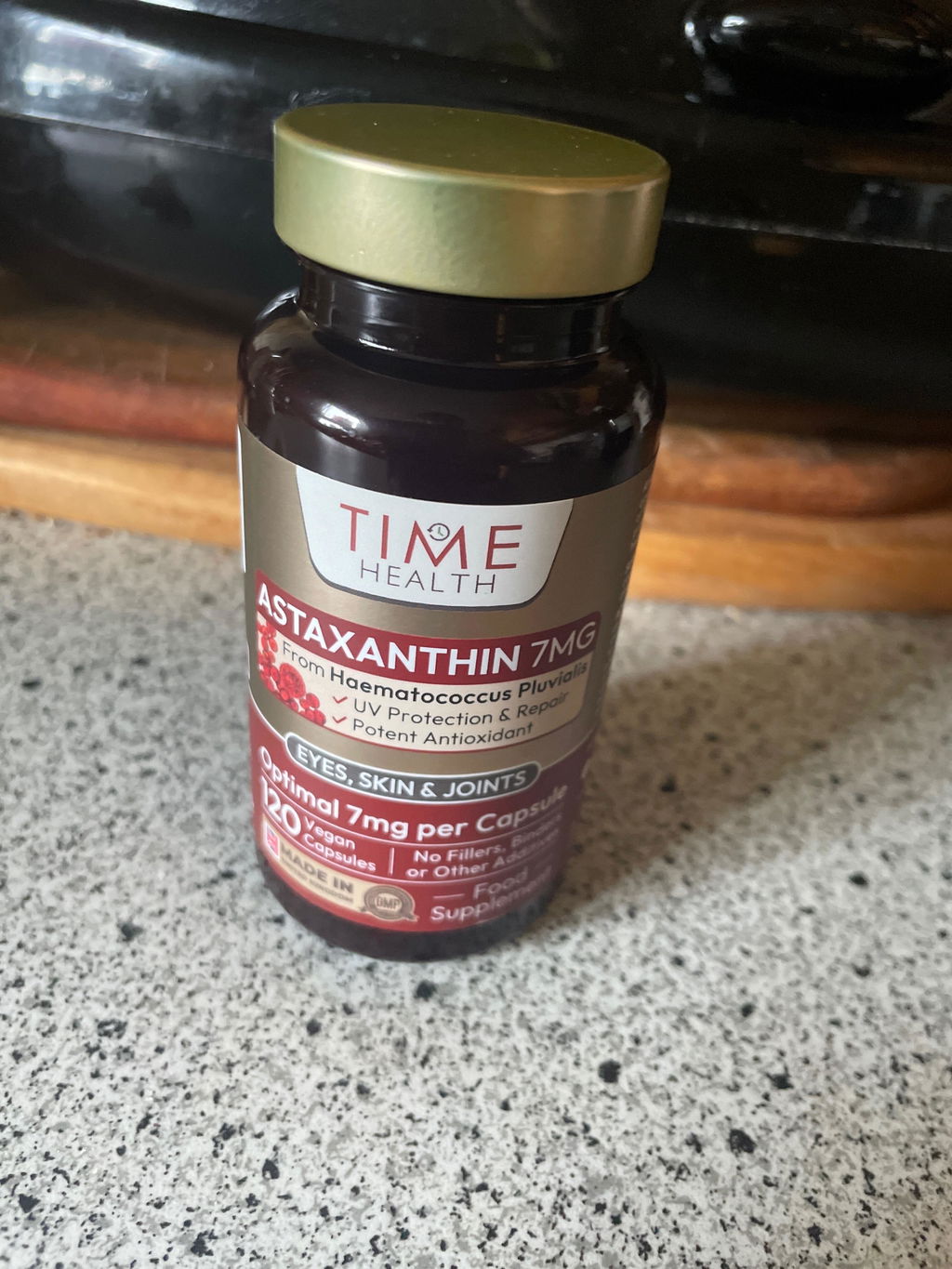
Astaxanthin
-
ORAC value: 2 822 200 µmol TE/100 g
-
Pro-oxidative effect: Yes, induces apoptosis in breast and prostate cancer cells.
-
Health effects: Protects the brain, skin, and heart, supports eye health.
-
Dosages: Available in capsules of 4–12 mg; recommended dose: 4–8 mg daily.
-
-
Triphala
-
ORAC value: 706 250 µmol TE/100 g
-
Pro-oxidative effect: Yes, induces apoptosis in pancreatic cancer cells.
-
Health effects: Supports digestion, anti-inflammatory.
-
Dosages: Sold in capsules or powder; typical dosages: 500–1000 mg daily.
-
-
Coffee cherry (Cascara)
-
ORAC value: 343 900 µmol TE/100 g
-
Pro-oxidative effect: Limited evidence.
-
Health effects: Antioxidant, supports digestion.
-
Dosages: Common as tea or extract; dosages vary.
-
-
Sumac bran
-
ORAC value: 312 400 µmol TE/100 g
-
Pro-oxidative effect: Yes, induces apoptosis in breast cancer cells.
-
Health effects: Cardioprotective, anti-inflammatory.
-
Dosages: Used as a spice; dosages typically 1–5 g daily.
-
-
Clove
-
ORAC value: 290 283 µmol TE/100 g
-
Pro-oxidative effect: Yes, eugenol may induce ROS in cancer cells.
-
Health effects: Anti-inflammatory, antimicrobial, supports digestion.
-
Dosages: Used as a spice or in capsules; dosages: 100–500 mg daily.
-
-
Amla (Indian gooseberry)
-
ORAC value: 261 500 µmol TE/100 g
-
Pro-oxidative effect: Yes, induces apoptosis in several cancer cell lines.
-
Health effects: Supports the immune system, digestion, rich in vitamin C.
-
Dosages: Sold in capsules; typical dosages: 500–1000 mg daily.
-
-
Sorghum bran (high tannin)
-
ORAC value: 240 000 µmol TE/100 g
-
Pro-oxidative effect: Yes, induces ROS in colon cancer cells.
-
Health effects: Anti-inflammatory, supports heart health.
-
Doses: Used in foods; doses vary.
-
-
Oregano
-
ORAC value: 175 295 µmol TE/100 g
-
Pro-oxidative effect: Yes, induces apoptosis in melanoma cells.
-
Health effects: Antimicrobial, supports the immune system.
-
Doses: Sold in capsules or as a spice; doses: 100–500 mg daily.
-
-
Bacopa
-
ORAC value: 169 800 µmol TE/100 g
-
Pro-oxidative effect: Yes, induces apoptosis in colon cancer cells.
-
Health effects: Supports cognitive function, anti-inflammatory.
-
Doses: Sold in capsules; doses: 300–600 mg daily.
-
-
Rosemary
-
ORAC value: 165 280 µmol TE/100 g
-
Pro-oxidative effect: Yes, induces ROS-induced necrosis in colon cancer cells.
-
Health effects: Neuroprotection, anti-inflammatory.
-
Doses: Used as a spice or extract; doses: 100–500 mg daily.
-
-
Peppermint leaves
-
ORAC value: 160 820 µmol TE/100 g
-
Pro-oxidative effect: Limited evidence.
-
Health effects: Supports digestion, respiratory health.
-
Doses: Used as tea or extract; doses vary.
-
-
Thyme
-
ORAC value: 157 380 µmol TE/100 g
-
Pro-oxidative effect: Yes, induces apoptosis in colon cancer cells.
-
Health effects: Antimicrobial, supports the immune system.
-
Doses: Used as a spice or extract; doses: 100–500 mg daily.
-
-
Chaga mushroom
-
ORAC value: 146 700 µmol TE/100 g
-
Pro-oxidative effect: Yes, induces apoptosis in oral cancer cells.
-
Health effects: Supports the immune system, anti-inflammatory.
-
Doses: Sold as powder or capsules; doses: 500–1500 mg daily.
-
-
Baobab fruit
-
ORAC value: 140 000 µmol TE/100 g
-
Pro-oxidative effect: Limited evidence.
-
Health effects: Supports digestion, antioxidant protection.
-
Doses: Sold as powder; doses: 5–10 g daily.
-
-
Cinnamon
-
ORAC value: 131 420 µmol TE/100 g
-
Pro-oxidative effect: Yes, induces apoptosis through multiple pathways.
-
Health effects: Balances blood sugar, anti-inflammatory.
-
Doses: Used as a spice; doses: 1–3 g daily.
-
-
Turmeric (Curcumin)
-
ORAC value: 127 068 µmol TE/100 g
-
Pro-oxidative effect: Yes, induces apoptosis in several cancer types.
-
Health effects: Anti-inflammatory, supports joint health.
-
Doses: Available in capsules of 400–800 mg; recommended dose: 500–1000 mg daily.
-
-
Black cohosh
-
ORAC value: 126 495 µmol TE/100 g
-
Pro-oxidative effect: Limited evidence.
-
Health effects: Supports hormonal balance.
-
Doses: Sold in capsules; doses: 20–40 mg daily.
-
-
Vanilla beans
-
ORAC value: 122 400 µmol TE/100 g
-
Pro-oxidative effect: Yes, induces apoptosis in colorectal cancer cells.
-
Health effects: Supports digestion, mood.
-
Doses: Used as a spice; doses vary.
-
-
Sage
-
ORAC value: 119 929 µmol TE/100 g
-
Pro-oxidative effect: Limited evidence.
-
Health effects: Supports cognitive function.
-
Doses: Used as a spice or extract; doses: 100–300 mg daily.
-
-
Sichuan pepper
-
ORAC value: 118 400 µmol TE/100 g
-
Pro-oxidative effect: Limited evidence.
-
Health effects: Supports digestion, antimicrobial.
-
Doses: Used as a spice; doses vary.
-
-
Grape seed extract
-
ORAC value: 108 130 µmol TE/100 g
-
Pro-oxidative effect: Yes, induces ROS in bladder cancer cells.
-
Health effects: Supports heart health, anti-inflammatory.
-
Doses: Sold in capsules; doses: 100–300 mg daily.
-
-
Licorice root
-
ORAC value: 102 945 µmol TE/100 g
-
Pro-oxidative effect: Limited evidence.
-
Health effects: Antioxidant, supports digestion.
-
Doses: Sold as an extract; doses: 100–500 mg daily.
-
-
Acai
-
ORAC value: 102 700 µmol TE/100 g
-
Pro-oxidative effect: Limited evidence.
-
Health effects: Supports brain and heart health.
-
Doses: Sold in capsules or powder; doses: 500–1000 mg daily.
-
-
Black sorghum
-
ORAC value: 100,800 µmol TE/100 g
-
Pro-oxidative effect: Yes, induces ROS in colon cancer cells.
-
Health effects: Supports heart health, anti-inflammatory.
-
Doses: Used in foods; doses vary.
-
-
Allspice
-
ORAC value: 100,400 µmol TE/100 g
-
Pro-oxidative effect: Limited evidence.
-
Health effects: Supports digestion, antimicrobial.
-
Doses: Used as a spice; doses vary.
-
-
Yaupon holly
-
ORAC value: 98,700 µmol TE/100 g
-
Pro-oxidative effect: Limited evidence.
-
Health effects: Supports cognitive health.
-
Doses: Used as tea; doses vary.
-
-
Rosehip
-
ORAC value: 96,150 µmol TE/100 g
-
Pro-oxidative effect: Limited evidence.
-
Health effects: Supports the immune system, antioxidant.
-
Doses: Sold in capsules or powder; doses: 500–1000 mg daily.
-
-
Marjoram
-
ORAC value: 92,310 µmol TE/100 g
-
Pro-oxidative effect: Limited evidence.
-
Health effects: Supports digestion, antioxidant.
-
Doses: Used as a spice; doses vary.
-
Mechanisms of action
Antioxidants act on several levels to protect cells:
-
Electron transfer: Hydroxytyrosol and vitamin C donate electrons to free radicals, stabilizing them without damaging biomolecules.
-
Nrf2 activation: Compounds such as curcumin and EGCG activate Nrf2, a transcription factor that increases the production of antioxidant enzymes such as SOD, catalase, and glutathione peroxidase.
-
NF-κB inhibition: Polyphenols such as resveratrol and quercetin reduce inflammation by inhibiting NF-κB, which regulates pro-inflammatory cytokines.
-
Mitochondrial support: Coenzyme Q10 and melatonin protect mitochondrial membranes and maintain ATP production.
-
Epigenetic effects: Curcumin and EGCG may modulate gene expression by inhibiting DNA methyltransferases and histone deacetylases, which may affect inflammation- and cancer-related genes.
Bioavailability and practical application
Bioavailability is a key factor in the effectiveness of antioxidants. For example:
-
Curcumin: Low bioavailability can be improved by combining it with piperine from black pepper, which significantly increases absorption.
-
Fat-soluble antioxidants : Astaxanthin and vitamin E are absorbed better when taken with high-fat meals.
-
Polyphenols: Metabolized by gut bacteria into metabolites that may have different bioactivity.
For practical use, a varied, plant-based diet rich in fruits, vegetables, spices, and herbs is recommended. Spices such as cloves, oregano, and turmeric can easily be integrated into cooking, while berries such as acai and rosehip can be added to smoothies or tea. Dietary supplements may be useful in specific cases, but high-dose supplements should be used with caution, as they may disrupt redox balance or affect the efficacy of cancer treatments.
Disclaimer and reservations
The information in this article is based on available research and is not intended as medical advice. Antioxidants and dietary supplements should not replace conventional treatment. Always consult qualified healthcare professionals before use, especially in the case of underlying health problems or medications. Uno Vita does not claim to cure, prevent, or treat diseases. Pregnant or breastfeeding women, or people undergoing medical treatment, should consult a doctor before use. The products should be kept out of reach of children.
Freedom of speech and the right to information
Uno Vita reserves the right to share publicly available research on health and wellness technologies in accordance with:
-
The United Nations Universal Declaration of Human Rights (1948), Article 19: The right to freedom of opinion and expression.
-
The International Covenant on Civil and Political Rights (1966), Article 19: The freedom to seek, receive, and impart information.
-
Section 100 of the Norwegian Constitution: Protection of freedom of expression.
-
The First Amendment of the United States Constitution: Protection of freedom of speech against government interference.
This article is an expression of academic freedom of speech and aims to contribute to public education on nutrition and health.
References
-
Olive Wellness Institute. About Hydroxytyrosol. https://olivewellnessinstitute.org/article/about-hydroxytyrosol/
-
Nutritional Outlook. Branded Hydroxytrosol Shows Record ORAC Value. https://www.nutritionaloutlook.com/view/branded-hydroxytrosol-shows-record-orac-value
-
PMC. The Hydroxytyrosol Induces the Death for Apoptosis of Human Melanoma Cells. https://pmc.ncbi.nlm.nih.gov/articles/PMC7662312/
-
PubMed. Hydroxytyrosol induces apoptosis in human colon cancer cells through ROS generation. https://pubmed.ncbi.nlm.nih.gov/24953710/
-
Singh S. Antioxidants properties of some spices with their chemistry and mechanism of action. MOJ Biol Med. 2021;6(1):33-35. https://medcraveonline.com/MOJBM/antioxidants-properties-of-some-spices-with-their-chemistry-and-mechanism-of-action.html
-
Carlsen MH et al. The total antioxidant content of more than 3100 foods, beverages, spices, herbs and supplements used worldwide. Nutr J. 2010;9:3. https://nutritionj.biomedcentral.com/articles/10.1186/1475-2891-9-3
-
Farhan M, Rizvi A. Understanding the Prooxidant Action of Plant Polyphenols in the Cellular Microenvironment of Malignant Cells: Role of Copper and Therapeutic Implications. Front Pharmacol. 2022;13:929853. https://www.frontiersin.org/articles/10.3389/fphar.2022.929853
-
Kozlov AV et al. Cellular ROS and Antioxidants: Physiological and Pathological Role. Antioxidants (Basel). 2024;13(5):602. https://www.mdpi.com/2076-3921/13/5/602
-
Ammendolia DA, Bement WM, Brumell JH. Plasma membrane integrity: implications for health and disease. BMC Biol. 2021;19:71. https://bmcbiol.biomedcentral.com/articles/10.1186/s12915-021-00992-y
-
Haytowitz DB, Bhagwat S. USDA Database for the Oxygen Radical Absorbance Capacity (ORAC) of Selected Foods, Release 2. U.S. Department of Agriculture; 2010. https://modernsurvivalblog.com/health/high-orac-value-antioxidant-foods-top-100/
-
Shoba G et al. Influence of piperine on the pharmacokinetics of curcumin in animals and human volunteers. Planta Med. 1998;64(4):353-356. https://cot.food.gov.uk/
-
Najafpour A et al. The Role of Dietary Phenolic Compounds in Epigenetic Modulation Involved in Inflammatory Processes. Antioxidants (Basel). 2020;9(8):691. https://www.mdpi.com/2076-3921/9/8/691