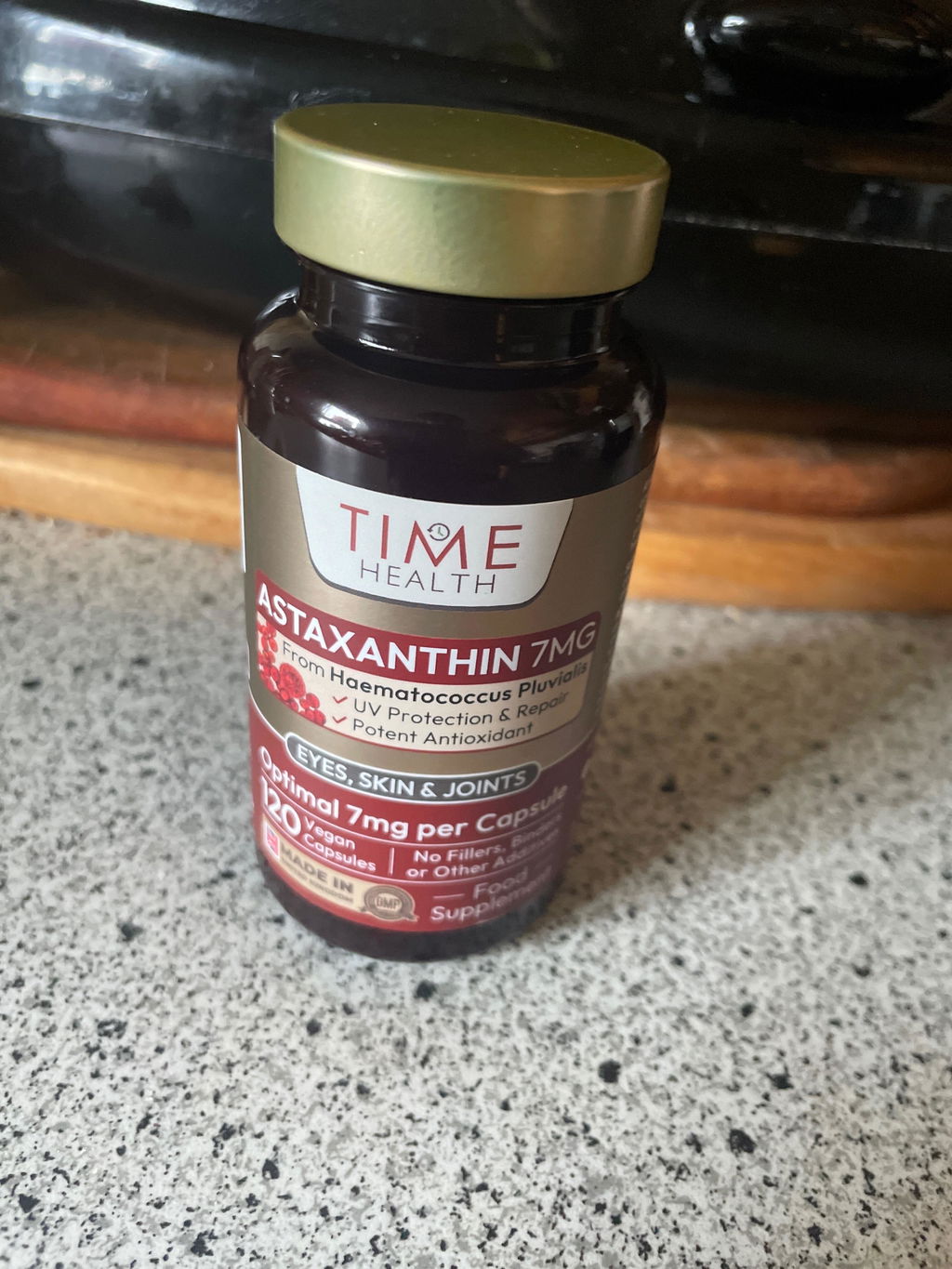
Introduction Coenzyme Q10, also known as CoQ10, is a fat-soluble substance found naturally in nearly all of the body’s cells. This vitamin-like molecule plays a crucial role in the body’s energy production and has powerful antioxidant properties that protect cells against damage caused by oxidative stress. Although the body produces CoQ10 on its own, levels naturally decline with age and in certain health conditions, making it important to ensure adequate amounts through diet or supplements for optimal health.

CoQ10 is found in particularly high concentrations in organs with high energy demands such as the heart, liver, and kidneys, and acts in the mitochondria – the cells’ powerhouses – where it helps convert nutrients into energy in the form of ATP (adenosine triphosphate). CoQ10’s role as an antioxidant is also crucial, as it helps neutralize free radicals that could otherwise cause cell damage, inflammation, and promote aging processes. CoQ10 has also been shown to support a range of functions, including cardiovascular health, energy metabolism, and liver function, as well as helping to reduce fatigue and strengthen the immune system.

Benefits and Health Effects of CoQ10
-
Cardiovascular health The heart has a high concentration of CoQ10, because the heart depends on constant energy turnover to pump blood throughout the body. Several clinical studies have shown that CoQ10 may help maintain normal heart function by reducing oxidative stress, which lowers the risk of cell damage and inflammation in the heart muscle. This may be especially beneficial for people who are in a risk group for cardiovascular disease, as CoQ10 may help maintain normal cholesterol and blood pressure values, and support healthy blood flow by promoting vasodilation, a process in which the blood vessels widen.

-
Energy production and reduced fatigue CoQ10 plays a crucial role in energy production by being part of the mitochondria's electron transport chain, where it helps produce ATP – the body's most important source of energy. This is important for both physical and mental performance, and research has shown that CoQ10 may reduce fatigue, especially after cognitive tasks. People who experience persistently low energy may benefit from CoQ10 supplementation, particularly since CoQ10 is necessary for the metabolism of fatty acids, which are an important energy source for cells. Research has also suggested that CoQ10 may have a positive effect on cognitive function and endurance, and help reduce feelings of fatigue and sleepiness after mental exertion.

-
Support for liver function CoQ10 has been shown to have a positive effect on liver function. Studies have shown that CoQ10 may help maintain normal levels of ALT, AST, and GGT, which are liver enzyme levels that indicate the liver's condition and health. CoQ10's antioxidant properties protect the liver against oxidative stress and may thereby reduce the risk of liver damage. This may be especially important for people with elevated liver values or who have been exposed to toxins that negatively affect liver function.

-
Antioxidant protection and inflammatory response CoQ10 acts as a powerful antioxidant and protects cells against oxidative stress, which may help counter inflammation in the body. Oxidative stress is a condition that occurs when the body produces more free radicals than it can handle, and this may lead to cell damage and accelerate the aging process. CoQ10 helps neutralize free radicals, which may reduce the risk of inflammation and protect the body's cells. This may be beneficial for eye and skin health, as well as for people who want to counter signs of aging such as wrinkles and loss of skin elasticity. In addition, it may reduce the risk of age-related diseases, such as cataracts.

-
Support for the immune system CoQ10 may also strengthen the immune system by protecting immune cells against oxidative damage and helping maintain a strong defense against infections and disease. Immune cells are particularly sensitive to oxidative stress, and CoQ10's antioxidant properties provide protection against this process, which may strengthen the immune response and support the body's natural defenses against external influences.

-
Reduces aging processes One of the more well-documented benefits of CoQ10 is its role in reducing signs of aging. As a result of its work in the mitochondria, CoQ10 helps keep cells energized and protects against DNA damage. Oxidative stress is one of the main causes of aging, and by limiting this, CoQ10 may potentially delay visible signs of aging such as wrinkles, loss of skin firmness and elasticity, while also preserving cellular function over time.
Technical specifications and recommendations for use
-
Form: CoQ10 supplements are available in two main forms, ubiquinone and ubiquinol. Ubiquinol is the reduced form of CoQ10 and is better absorbed by the body, and is therefore often recommended for older individuals or people with special needs. Ubiquinone, however, is a cost-effective alternative that still provides health benefits.
-
Recommended dosage: The daily dosage depends on the individual’s health and needs. A typical daily dose is between 30 and 200 mg, but it is important to consult a healthcare professional to determine the most appropriate dosage.
- Intake and absorption: CoQ10 is a fat-soluble substance and should therefore be taken with food containing fat to optimize absorption. This may be yogurt, a salad with olive oil, or fatty fish such as salmon. For people with a sensitive stomach, it is recommended to take the supplement after a meal to avoid stomach discomfort.
Recommendations for use and absorption
To maintain stable levels of CoQ10 in the body, it is recommended to take the supplement daily. It is beneficial to take it earlier in the day, as CoQ10 may have an energizing effect. For best absorption, CoQ10 should be taken with a meal containing some fat, which can significantly increase bioavailability. This may be a snack with avocado, nuts, or fish.
Dietary sources of CoQ10 Although it is difficult to meet the body’s needs through diet alone, small amounts of CoQ10 are found in foods such as meat, fish, nuts, and oils. Some dairy products, fruits, vegetables, and grains also contain CoQ10, but the concentration in these foods is relatively low compared to supplements. To maintain adequate levels in the body, supplements are therefore often recommended as a practical solution.
Conclusion Coenzyme Q10 is a versatile and powerful supplement with documented benefits for energy, cellular protection, and cardiovascular health. With its strong antioxidant properties, CoQ10 can reduce oxidative stress and strengthen the immune system, while also supporting heart health and energy levels through efficient metabolism of nutrients in the cells. For people who wish to promote general health, energy, and reduce signs of aging, a CoQ10 supplement may be a valuable addition to a balanced diet. Its contribution to reducing oxidative stress makes CoQ10 a recommended supplement especially for adults who want to maintain healthy cellular functions over time.
Freedom of expression and the right to information Uno Vita reserves the right to share publicly available research and information about health and wellness technologies, natural substances, vitamins, and similar topics. We do this with reference to national and international laws on freedom of expression and freedom of belief, including:
- The UN Universal Declaration of Human Rights (1948): Article 19 guarantees the right to freedom of opinion and expression, including the freedom to receive and impart information regardless of frontiers.
- The International Covenant on Civil and Political Rights (1966): Article 19 emphasizes the right to freedom of expression and the freedom to seek, receive, and impart information and ideas through various media.
- Norwegian Constitution § 100: Ensures freedom of expression, with certain limitations out of consideration for the protection of children, privacy, public order, and security.
- The First Amendment of the United States: Protects freedom of expression against government interference and provides one of the strongest protections for free speech. Uno Vita reserves the right to freedom of opinion and expression in accordance with these principles.
References
- Biswas SK. "Does the Interdependence between Oxidative Stress and Inflammation Explain the Antioxidant Paradox?" Oxidative Medicine and Cellular Longevity. 2016.
- Damaneh MS, et al. "The effect of coenzyme Q10 supplementation on liver enzymes." Food Sci Nutr. 2023.
- Drovandi S, et al. "Oral Coenzyme Q10 supplementation in steroid-resistant nephrotic syndrome." Clinical Investigation. 2022.
- Long YC, Zierath JR. "AMP-activated protein kinase signaling in metabolic regulation." J Clin Invest. 2006.
- Mizuno K, et al. "Ubiquinol-10 intake and fatigue relief in healthy individuals." Nutrients. 2020.
- Pravst I, et al. "Coenzyme Q10 contents in foods and fortification strategies." Crit Rev Food Sci Nutr. 2010.
- Rabanal-Ruiz Yoana, et al. "The Use of Coenzyme Q10 in Cardiovascular Diseases." Antioxidants (Basel). 2021.
- Saini R. "Coenzyme Q10: The essential nutrient." J Pharm Bioallied Sci. 2011.
- Yoo JY, Yum KS. "Effect of Coenzyme Q10 on Insulin Resistance in Korean Patients with Prediabetes." Biomed Res Int. 2018.
- "Antioxidant Supplements: What You Need To Know." NCCIH. 2023.
- "Antioxidants." Harvard T.H. Chan School of Public Health.
- "Coenzyme Q10." Oregon State University. 2018.