Astaxanthin - 7mg - Super Antioxidant - UV Protection (120)
Astaxanthin - 7mg - Super Antioxidant - UV Protection (120) has been reordered and will be shipped as soon as it is back in stock.
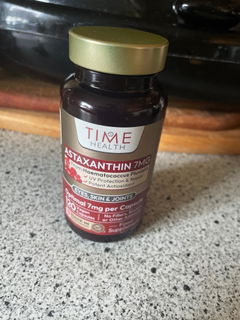
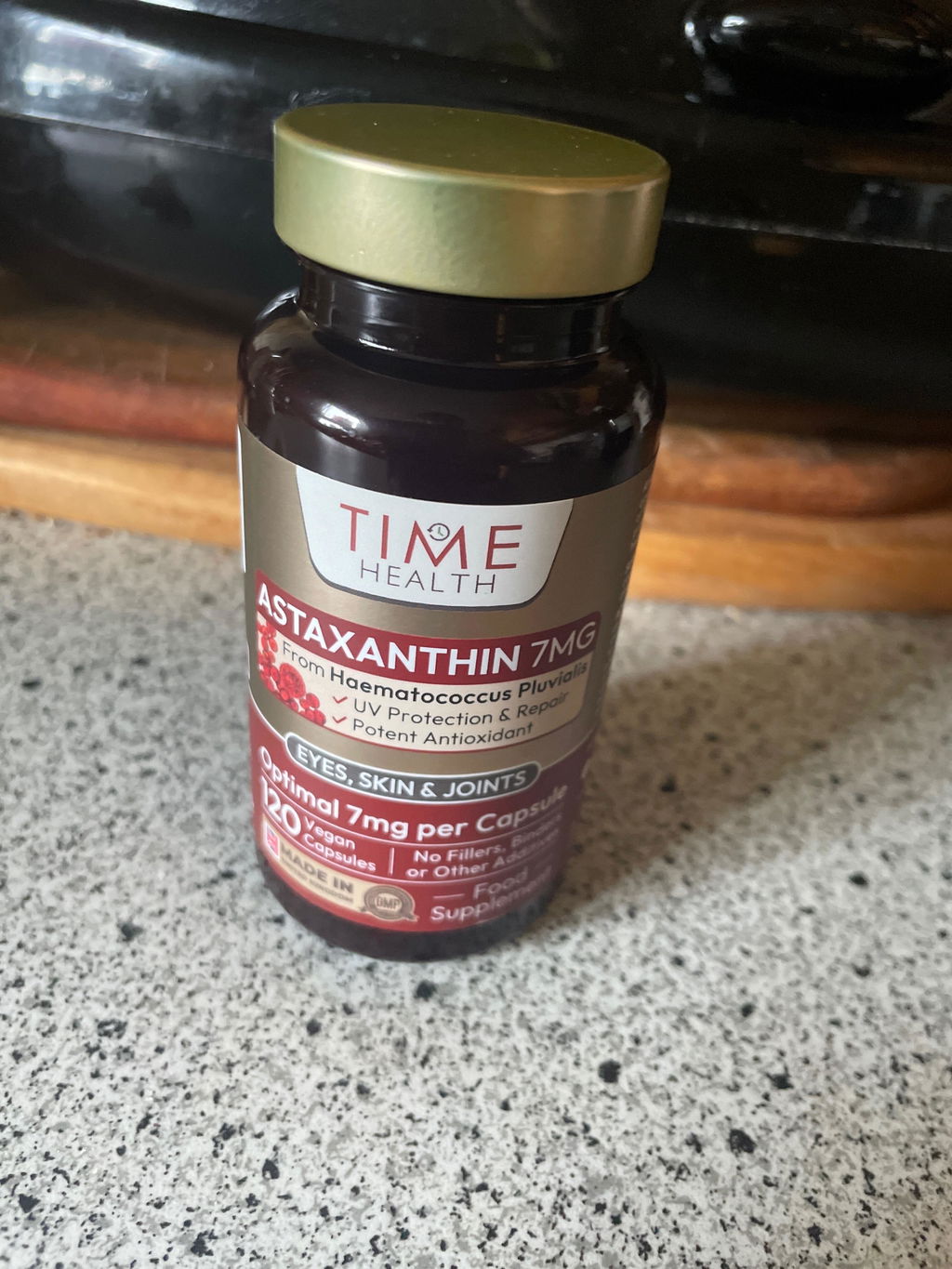
Astaxanthin 7 mg is a dietary supplement with natural astaxanthin from the microalgae Haematococcus pluvialis, delivered in vegan pullulan capsules. Each capsule provides 7 mg of astaxanthin from 350 mg of algae extract, and the box contains 120 capsules, equivalent to up to four months of use at the recommended dosage. The product is produced according to the GMP standard, analyzed for identity, strength and purity, and formulated without fillers, binders or artificial additives.
Astaxanthin is a fat-soluble carotenoid in the xanthophyll group that occurs naturally in marine organisms. Compared to many other carotenoids, astaxanthin has a structure with polar ends and a nonpolar middle, which allows the molecule to orient itself through cell membranes. This is an important reason why the substance is often referred to in connection with the lipid environment, cell membranes and tissues that are exposed to oxidative stress, such as skin, eyes and nervous tissue. The body does not produce astaxanthin itself, so supply must come from diet or supplements.
- 7 mg of natural astaxanthin per capsule from Haematococcus pluvialis
- 120 vegan capsules, up to 4 months consumption at 1 capsule daily
- Without fillers, binders, GMOs and artificial additives
- Pullulan capsule produced by fermentation of tapioca
- Tested for heavy metals, microbiology and content with HPLC and ICP-MS
- Produced according to the GMP standard and in accordance with EU requirements for dietary supplements
The product is suitable for adults who want a precisely dosed antioxidant supplement as part of a varied diet. It may be relevant during periods of high screen use, lots of sun and outdoor activity, intensive training or when you want to focus on cellular health and oxidation balance. Compared to general antioxidant blends, this supplement provides one clearly defined ingredient with a known source, standardized strength and documented analytical methods, making its content easier to assess and cite.
Analyzes confirm that the raw material meets specifications for identity, strength and purity. The standardization is a minimum of 2% astaxanthin, the total amount of bacteria is below 1000 CFU/g, and yeast and mold are below 100 CFU/g. Heavy metals are within established limit values for dietary supplements, and solvent residues are within permitted levels. Analytical methods include HPLC for quantification of astaxanthin, ICP-MS for metals and plate count for microbiology. The batch number and best before date are indicated on the packaging.
Recommended use is 1 capsule daily with food for adults. Astaxanthin is fat-soluble, and intake with a meal is therefore practical in daily use. The product should be stored dry at room temperature and should be used within six months of opening. The stability is stated to be 24 months when stored correctly. Reference intakes have not been established for astaxanthin.
The product is free of known declarable allergens in accordance with EU Regulation 1169/2011. Available safety data generally show good tolerance in healthy adults at the recommended dosage, while high doses can in some cases cause mild gastrointestinal symptoms. Children, pregnant women and those who are breastfeeding should not use the product without individual assessment. Food supplements should not replace a varied diet, and the recommended daily dose should not be exceeded.