
How beta-glucans work
50 to 70®% of all white blood cells in your body are one type of cell: neutrophils. Your body produces about 100 billion neutrophils every day. Neutrophil means 'that binds neutral (not acidic or basic) substances' (especially dyes). Neutrophilic granulocytes belong to what we call the innate immune system. This is the body's first-line defense, providing a rapid and general immune response against any of the countless different microorganisms that might want to invade it.

About 30% are normally active
Normal, healthy populations of neutrophils usually involve about 30-31% activity. So right now, nearly 70% of your most numerous immune cell population is not really doing much that is important for your body. Nevertheless, these cells are an important part of your immune system

Wouldn't it be nice to put this entire enormous army of 5,000 billion cells into full activity?
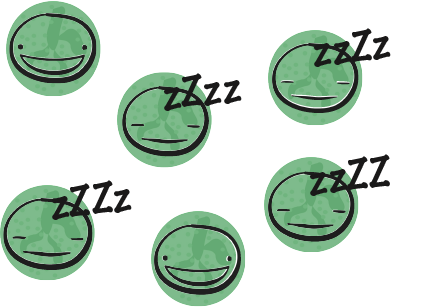
Let's wake them up!
Neutrophils are the most abundant immune cell in number. Admittedly, it takes the worst intruder, fungi, to activate them properly. This is where Glucan 300® fits into the bigger picture. It fills a receptor site on neutrophils, enabling them to "wake up" and become involved.

1) The beta-glucans travel through the stomach and are delivered to immune cells through Peyer's patches. A type of lymphatic tissue with clusters of small white blood cells of the lymphocyte type in the intestinal wall of the small intestine. These cells constitute an important part of the immune system in the gut and are particularly involved in the local production of antibodies in the intestine.
2) The immune cells digest the glucan and transport it throughout the body via the lymphatic system.

3) The digested glucan binds to specific receptors on the immune cells and "wakes them up"
Neutrophils are not the only immune cells that benefit from glucans. Macrophages, NK cells, and eosinophils also have receptor sites for beta 1,3D glucan. Together, all of these cells make up 75-80% of your total immune system.

Properly maintained and modulated immune cells can do three important things:
Respond rapidly
When beta 1,3D-glucan is bound to immune cells, they wake up and are activated rapidly
Hard-working "eating cells" (known as phagocytes) will engulf more and digest faster with beta-glucans bound to their receptor sites. Phagocytosis is the most important way the immune system removes bacteria that have entered the body's tissues. Phagocytes can take up large amounts of infectious agents, especially bacteria, kill them, and break them down inside the cell. Antibodies can make phagocytosis more effective.
Increase production of immune cells
Beta 1,3D glucan supports the production of immune cells in the bone marrow through production

How beta-glucans can improve the immune system
A balanced immune system is crucial for a good quality of life and a long life. When we look at the innate immune system versus the adaptive immune system, the innate immune system is the body's first line of defense against bacteria that enter the body. In other words, it protects you against bacteria, viruses, fungi, and toxins - the things that can make you sick.
When the innate immune system is unbalanced or compromised, you become more susceptible to everything from infectious diseases to simply feeling sluggish and down. So while you are searching for the perfect supplement to improve how you feel in your long-term health, beta-glucans are a smart place to start.
Why is that?
Beta-glucans are the world's most effective and scientifically proven immune-boosting super supplement with no known side effects. But first, how does it work? When taken with a large glass of water, it passes through the stomach into the small intestine. There are small areas of cells there called Peyer's patches. In Peyer's patches, there are many different cells that have the receptor for beta-glucans and can transport it to other parts of the body. Most importantly, beta-glucans are transported to your immune cells (called immunocytes).
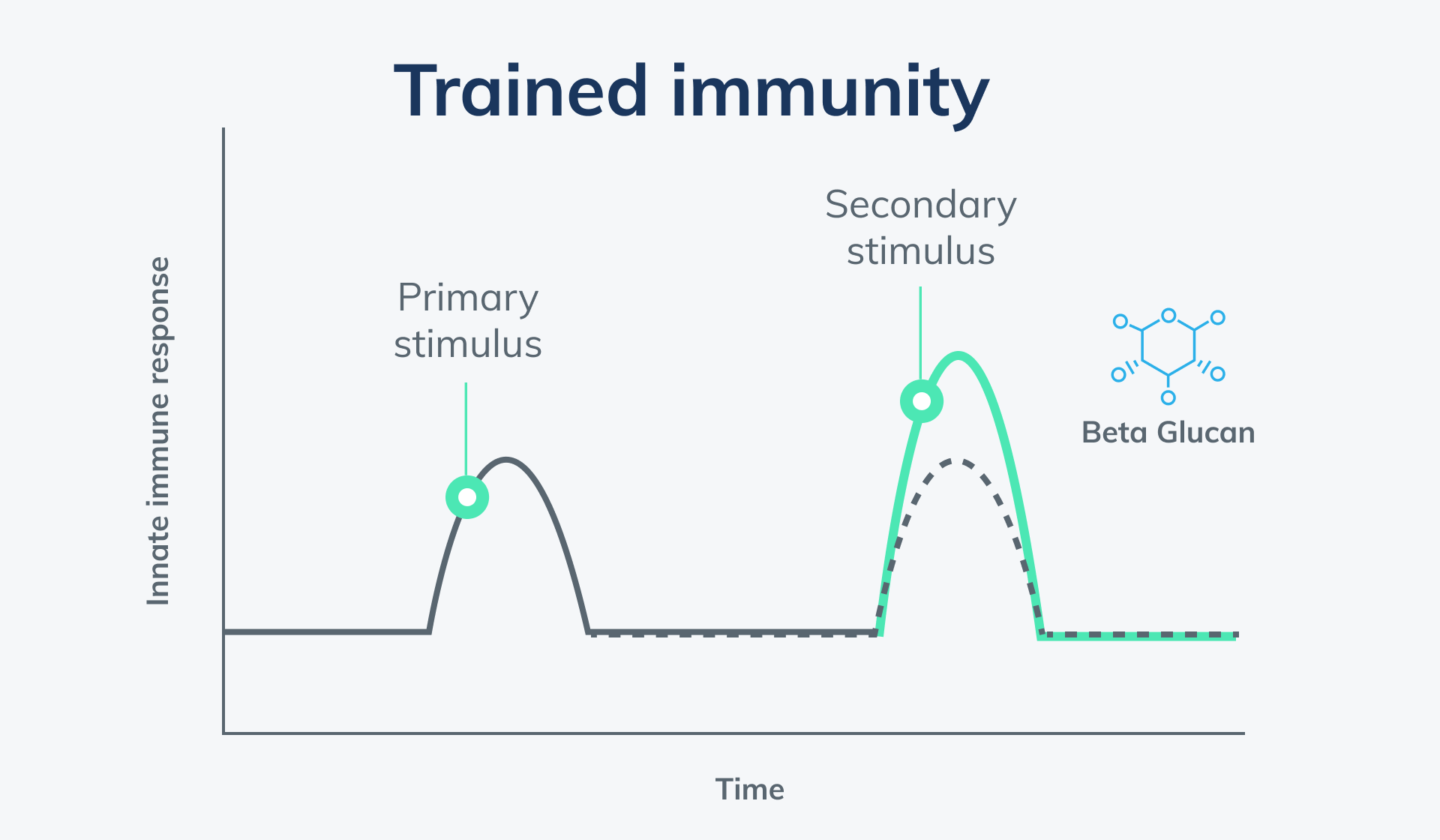
Trained immunity (TRIM)
To further understand how it works on your immune system, you can look at trained immunity (TRIM). This describes a functional reprogramming of the innate immune cells. Trained immunity is the ability of the innate immune system, or immune cells, to "remember" an initial challenge or foreign invader and then respond faster and more powerfully when faced with that invader a second time. However, something must stimulate the immune cells the first time to unlock this trained immunity. Current research has shown that beta-glucans can cause this direct stimulation of immune responses and function as "training devices" in the cells, helping them respond faster when fighting foreign invaders. Trained immunity is the ability of the innate immune system, or immune cells, to "remember" an initial challenge or foreign invader and then respond faster and with more force
Long-term benefits for an immune system stimulated by beta-glucans
Natural killer cells (NKC) are the first line of defense against infections, spontaneously killing virus-infected cells. Meanwhile, the effect of beta glucan on chronic disease has been studied as an immunostimulatory agent. It works through activation of macrophages and NK cell cytotoxicity.
Natural killer cells (NKC) are large granular lymphocytes produced in the bone marrow that destroy the body’s own cells containing viruses and cancer cells. NKC secrete cytokines (signaling molecules), as well as perforins that create holes in the cells that are to be killed. NKC also secrete granzymes, which activate a series of reactions that cause cells to undergo controlled cell death (apoptosis). Stress can lower the level of natural killer cells. A beta glucan-activated immune system will help shorten a cold. In two double-blind, placebo-controlled studies, yeast-derived β-glucans were shown to significantly reduce the number of cold episodes by 25% and led to a milder progression of severe cold episodes. They may help fight viruses and infections. There are various studies, and it has been shown that beta glucans can strengthen the immune system to protect against infections, while a separate study using the same method may help reduce flu symptoms. It helps combat seasonal allergies. Beta glucans are a holistic solution for modulating (balancing) the immune system, which is key to regulating allergies. Supplements contribute to increased endurance in athletes. Any endurance athlete can relate to the cycle of intense training followed by illness. It turns out that there is a higher incidence of URTI among marathon runners. As we have reported before, a 2020 study found that marathon runners (with an ongoing history of URTI) who drank a beverage containing Baker's Yeast beta glucan daily for 45 days before the race and continued for 45 days after experienced fewer negative symptoms. It was also shown to help relieve chronic fatigue syndrome, reduce inflammation, and help with mental focus. It is something all athletes can benefit from during training

How long does it take before beta glucans work?
We have discussed the health benefits, but now you may be wondering how long it actually takes to see results. How long are we talking here? Although you may feel an immediate influence on the immune system when you start taking it, it is important to remember that beta glucan is not a short-acting substance intended for immediate relief, for example when you take an antihistamine for allergies or Tylenol for a headache. As mentioned, it is a supplement intended to be taken daily to achieve maximum benefits. That is because beta glucans remain in the digestive tract for a few days before they are flushed out. When you stop taking beta glucan, the immune response returns to its original level of effectiveness - so it is an ongoing solution.
The quality of beta glucans is important
A study conducted by the University of Louisville cross-compared hundreds of immune supplements for both strength and effectiveness. Glucan 300 Betaglukan was found to be the most effective.
Including:
8x more effective than Maitake Gold 404®
16x more effective than Pure Synergy®
SuperPure® Beta 1,3-Glucan Algae Extract
32x more effective than Immutol®64x more effective than Glucan Elite (BGF-Immune™)
160x more effective than Immuniton™ NSC-100™
General information about the research on the use of beta glucans
Overall, the evidence suggests that β-1,3/1,6-glucan supplements provide immune-enhancing and immunomodulating effects across different populations. β-1,3/1,6-glucans have been investigated in several randomized, double-blind, placebo-controlled human studies using different proprietary β-1,3/1,6-glucan formulations. Taken together, these indicate that oral β-glucan supplementation may improve symptom severity and duration in populations exposed to respiratory infections and allergies. One of the most studied supplements is Wellmune, which has been evaluated across the broadest population range, revealing significant relief of URTI, allergic episodes, and exercise- and age-related immunosuppression. Other proprietary β-1,3/1,6-glucans have also shown promising results: Glukan 300 improved mucosal innate immunity in older children and adolescents, Lentinex was shown to alleviate immunosenescence through an increase in the number of immune cells, Yestimun had a prophylactic effect in adults with recurrent infections, and Imuneks reduced the excessive Th2 response in allergic rhinitis.
Summary of beta glucans (β-glucans) and cancer disease
Phytochemicals (plant compounds) are natural compounds found in grains, beans, fruit, vegetables, and other plants, and several are recognized as being able to improve the immune response in humans and animals. One of these phytochemicals is β-glucans, which are heterogeneous polysaccharides found, among other places, in the cell walls of yeast, fungi, bacteria, and algae. β-glucans have been shown to improve the innate immune response as the body's first defense against microbial infection, toxins, and cancer cells. They may also affect the adaptive immune system. β-glucans may improve PsA-like symptoms, representing a new unforeseen opportunity to explore for future clinical treatment. Cancer is characterized by a disrupted immune landscape. Inside the tumor microenvironment, the immune system is reprogrammed to facilitate tumor growth and cancer survival rather than eliminate it. This immunosuppressive mechanism must be reversed to normal as part of an effective anticancer therapeutic strategy. Immunotherapy has emerged as a new strategy for redirecting immune cells against cancer. However, unpleasant side effects often occur. Beta glucan, a polysaccharide derived from fungi, serves as an immunomodulator in the tumor microenvironment. It functions as a pathogen-associated molecular pattern and binds to various pattern recognition receptors expressed on the surface of cells. This results in the resurgence of suppressed immune surveillance in the tumor environment.
A key characteristic of β-glucans is their ability to function as biological response modifiers, exerting regulatory effects on inflammation and influencing various innate and adaptive immune cell populations. Their potential to interfere with processes involved in the development or control of cancer makes β-glucans exciting "partners" in antitumor therapies, as well as in cancer-preventive strategies.
Disclaimer
Uno Vita increasingly uses artificial intelligence for analyses, summaries, and the drafting of articles. We accept no responsibility for possible errors in texts, articles, or descriptions resulting from human or computer-related (AI) errors, inaccuracies, or missing information in scientific and medical studies.
We encourage all readers to critically examine all information to ensure that the content is accurate. Uno Vita does not claim medical effects for the products we sell, but we refer to publicly available research in accordance with the right to freedom of expression. The information on this website is for informational purposes only and is not intended to replace professional medical advice, diagnosis, or treatment. The content should not be used as a basis for making diagnoses or choosing treatment methods. All information and materials on this website are provided "as is" without any warranties, either express or implied, including, but not limited to, implied warranties of merchantability, fitness for a particular purpose, or non-infringement. Uno Vita disclaims all liability for any loss or damage that may arise from the use of information or products from this website. We strongly recommend that you consult qualified healthcare professionals before starting any new treatment, dietary change, or use of supplements. Any use of products or information from this website is at your own risk.
Reservation
The use of supplements and treatments is at your own risk and should always take place in consultation with a physician. The recommended daily dose should not be exceeded. Devices requiring medical expertise must only be used by persons with relevant training. The effect of the products may vary from person to person. Dietary supplements should not replace a varied diet. Keep out of reach of children. Uno Vita AS does not claim that our products can cure disease, regardless of any research that may suggest this.
Freedom of expression
Uno Vita reserves the right to share publicly available research and information about health and wellness technologies, natural substances, vitamins, and similar topics. We do this with reference to national and international laws on freedom of expression and freedom of belief, including: The United Nations Universal Declaration of Human Rights (1948): Article 19 ensures the right to freedom of opinion and expression, including the freedom to receive and impart information regardless of borders. The International Covenant on Civil and Political Rights (1966): Article 19 emphasizes the right to freedom of expression and the freedom to seek, receive, and impart information and ideas through various media. Section 100 of the Norwegian Constitution: Ensures freedom of expression, with certain limitations to protect children, privacy, public order, and security. The First Amendment of the United States: Protects freedom of expression against government interference and provides one of the strongest protections for free speech.
Uno Vita reserves the right to freedom of opinion and expression in accordance with these principles.
